
The photos shared on this blog follow the content of the New Years Day bonus episode of Weird in the Wade which you can listen to here.
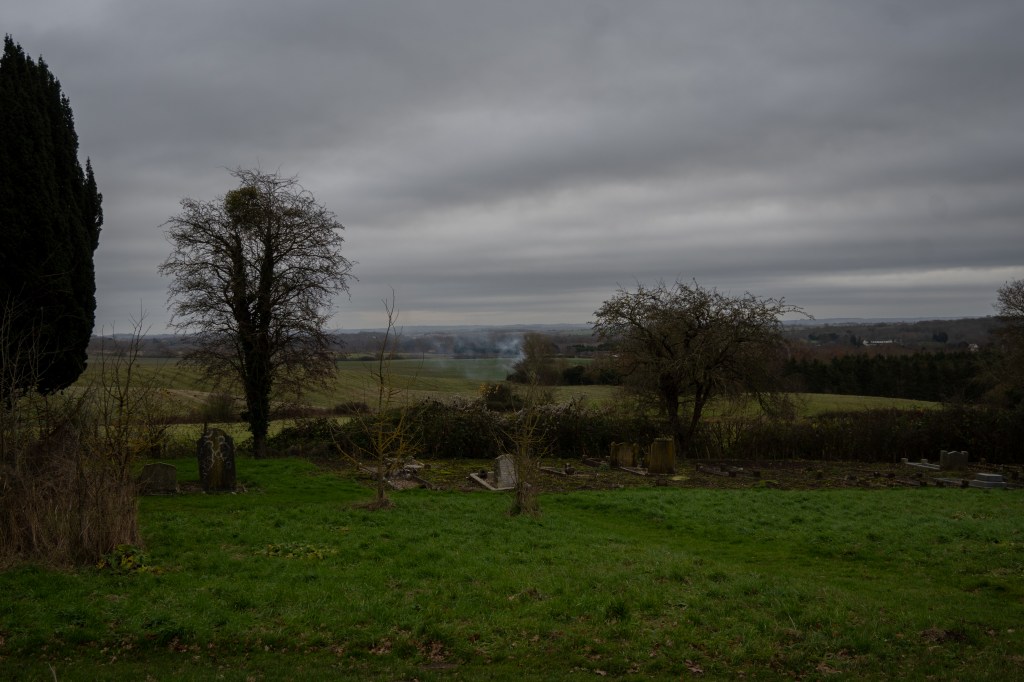
The photograph above is of my view from where I sat on the church step looking out east across the fields.
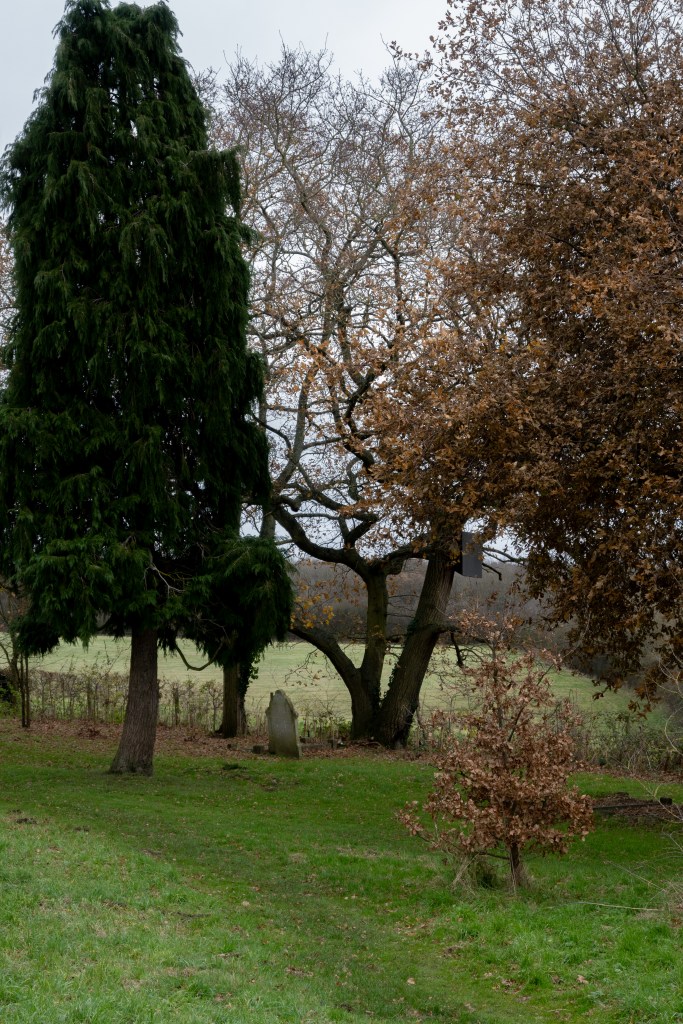
These were the graves my eyes kept being drawn to, where I wandered after resting on the church steps.
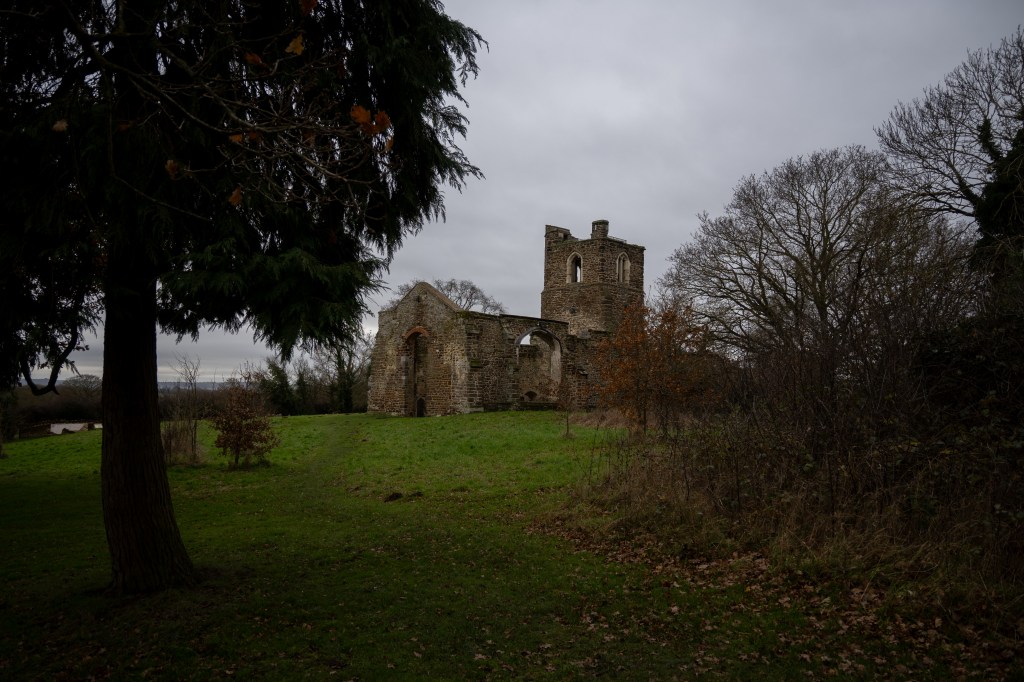
This was my view of the church when pareidolia made me mistake markings on the wall within the door way for a giant figure. If you try not to focus on the image or screw your eyes up you may get the same effect I did.
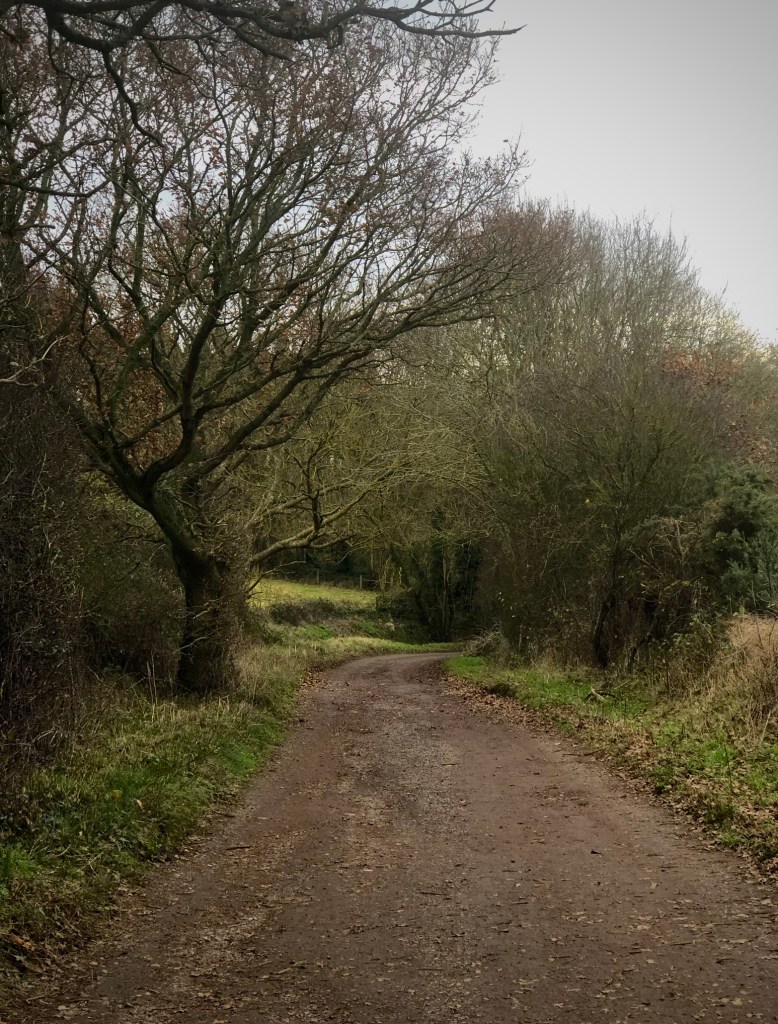
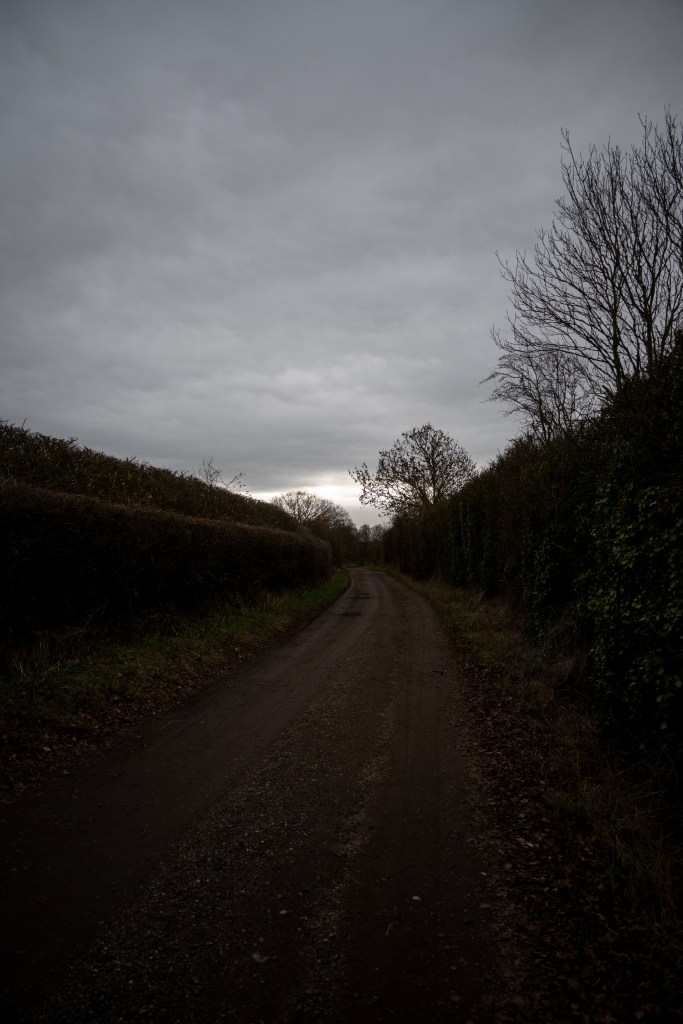
The two above photos are of the Old Church Path leading up to the ruined church and give a good impression of the atmosphere that walk to the church has. The high hedges and trees can feel claustrophobic.
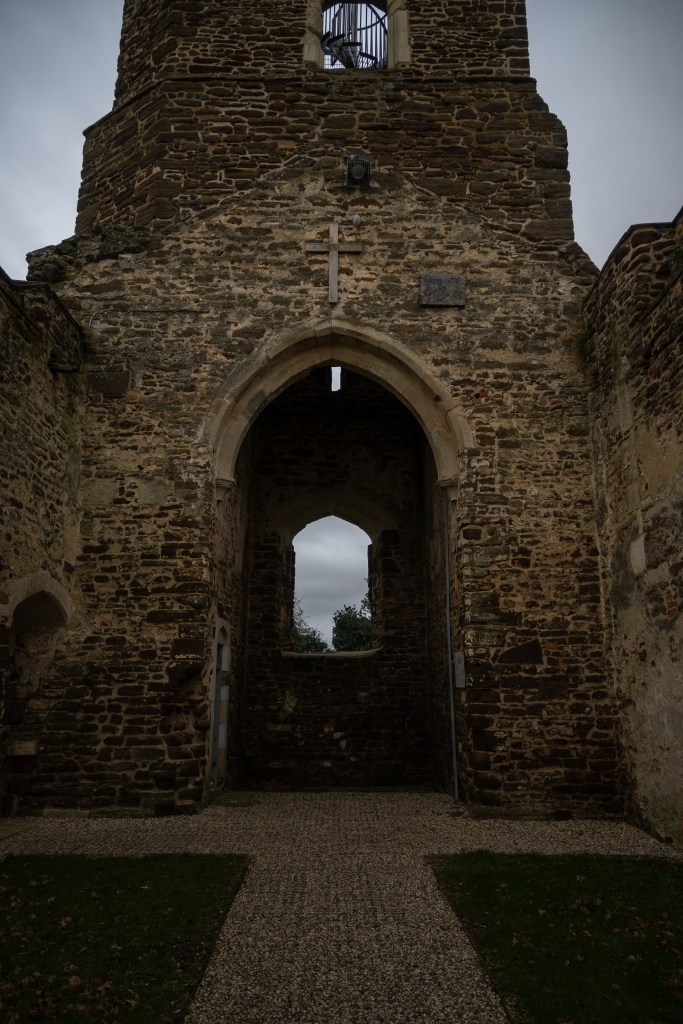
This is the view into tower from inside the roofless church.
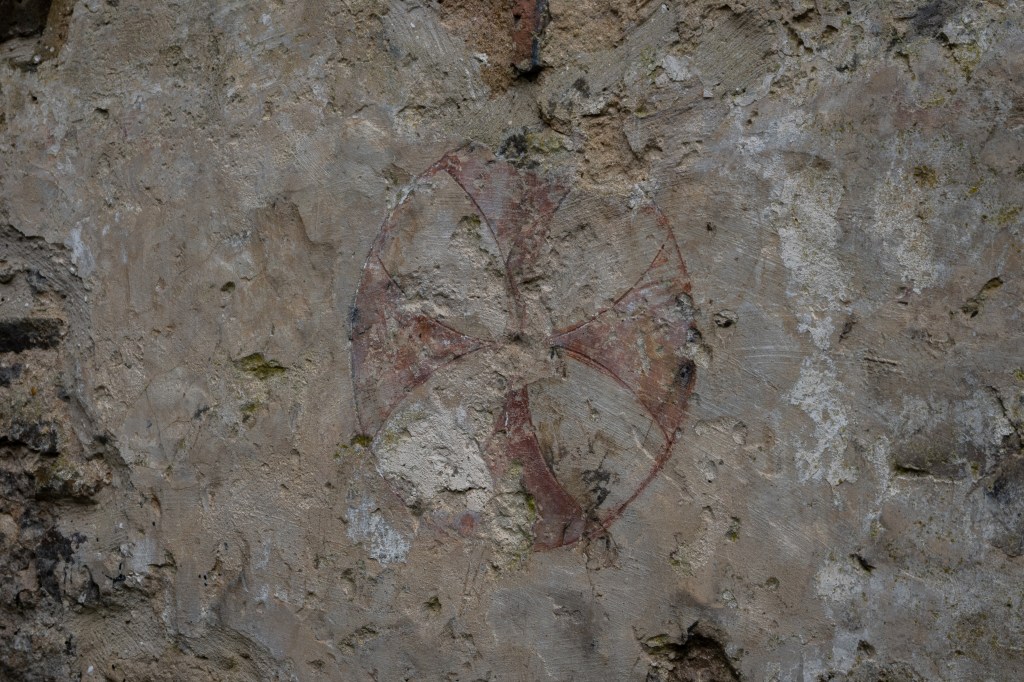
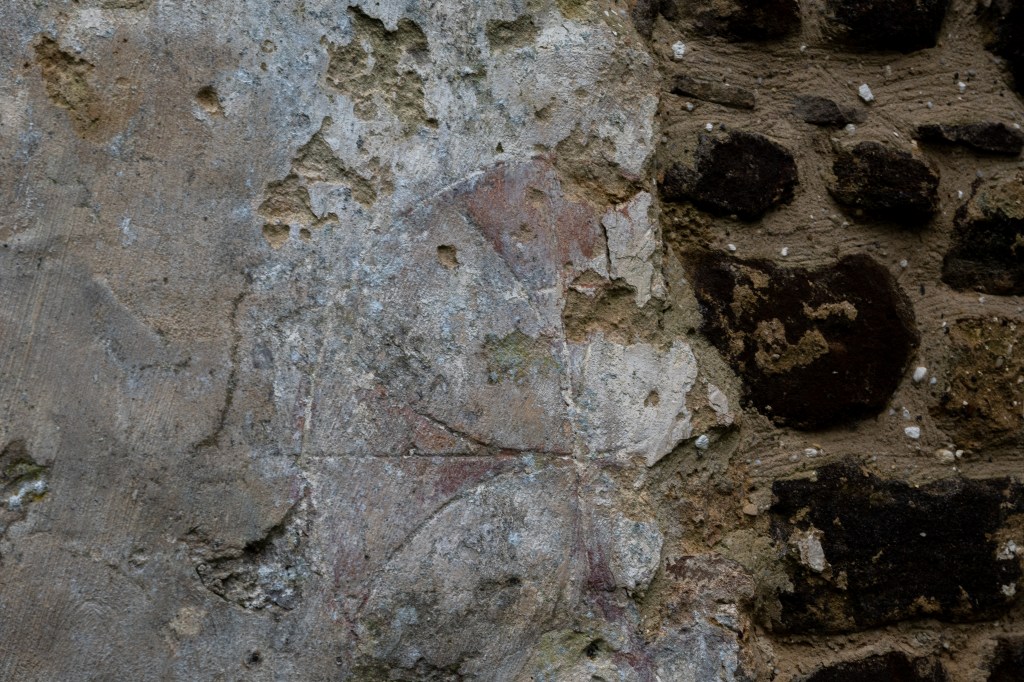
Here are the two Maltese Crosses daubed onto the remaining plaster. These types of symbols were popular in medieval times and drawn on the plaster of churches later whitewashed over during the reformation or during the 17th century. These crosses first came to light in 1963 when evidence of rituals and desecration were found at the church. Were the crosses drawn on the walls then in 1963 or had the cold winter of 1963 exposed the plaster for the first time in the ruin?
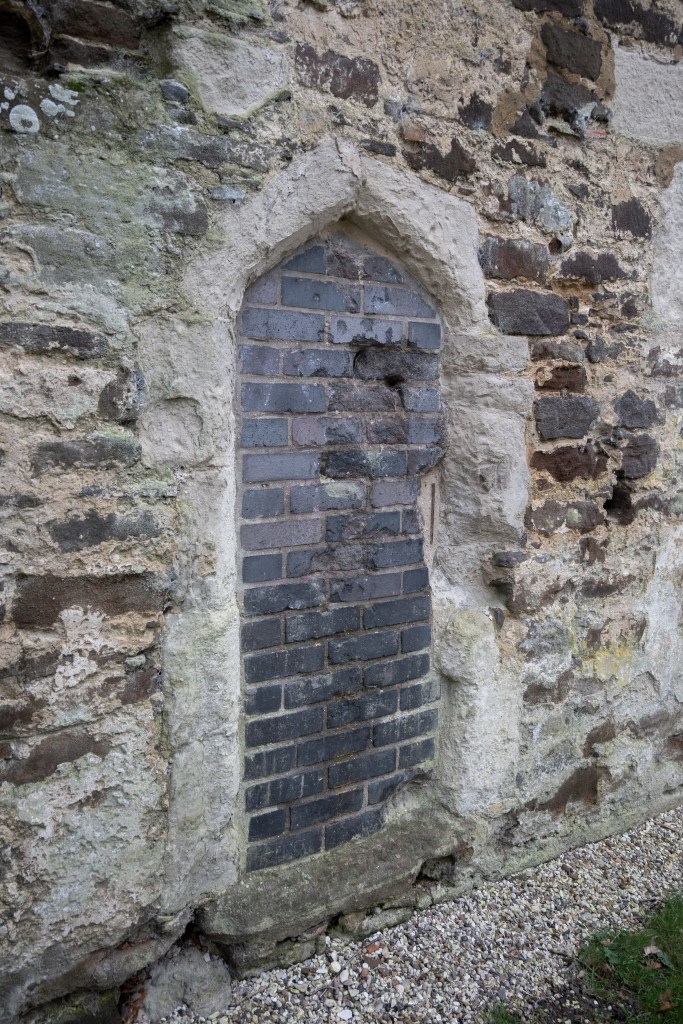
Here’s the archway which has been bricked up. Was it a doorway into a cupboard or ante room?
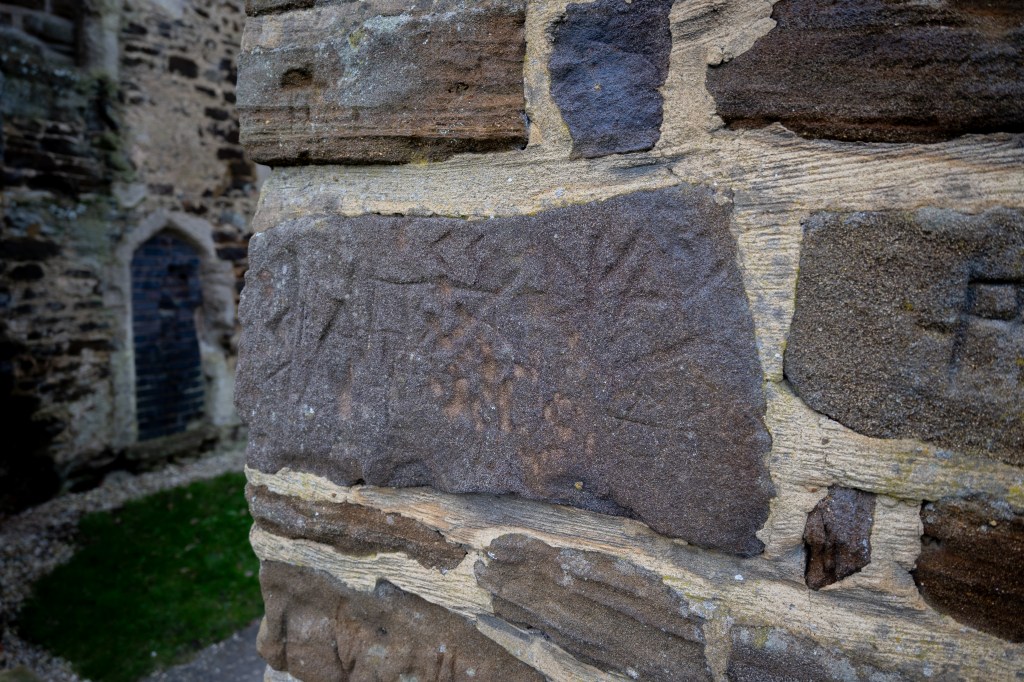
The church walls are covered in etched initials and symbols some of the symbols could be old, witch marks, or charms etched into churches to encourage good fortune, protection and plentiful harvests. Many are clearly modern engravings of initials and love hearts.
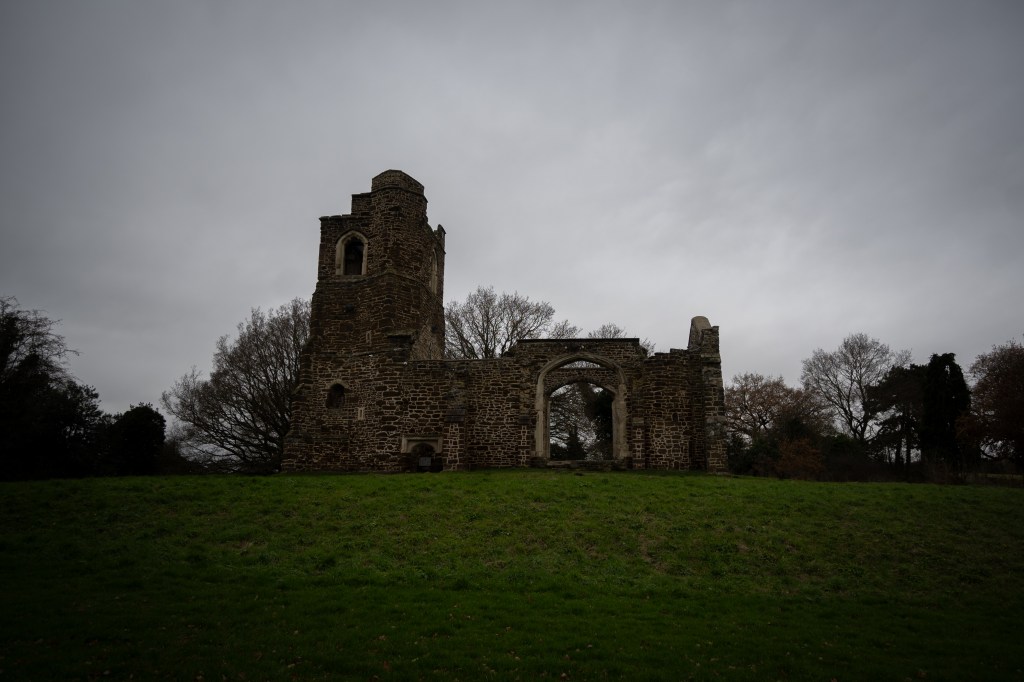
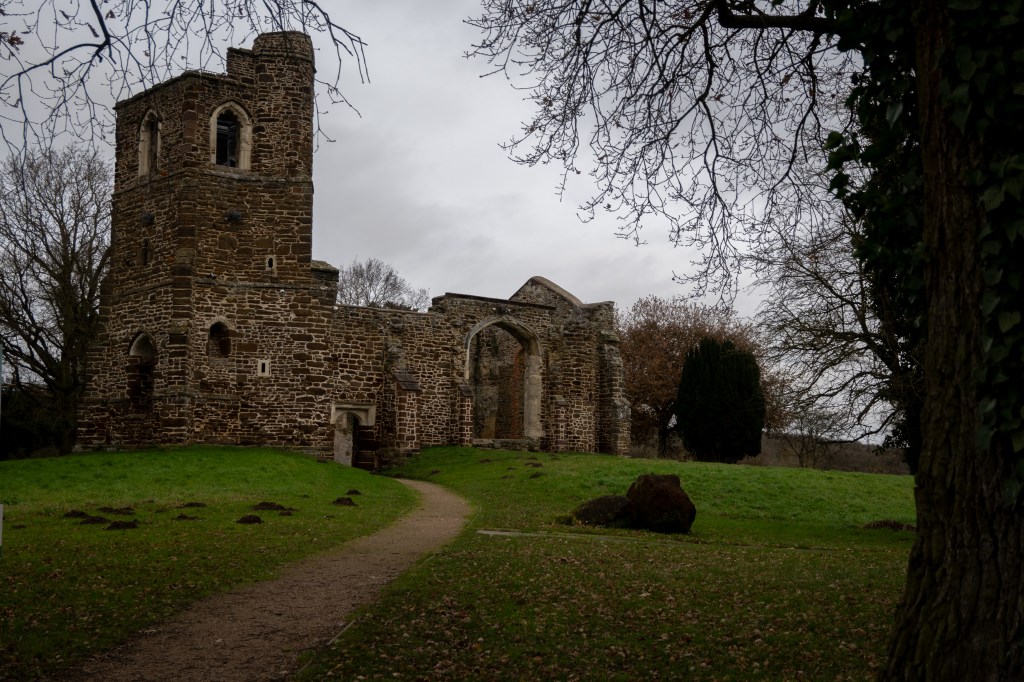
A final view of the church against a dramatic grey sky.
If you’d like to see more photographs of St Mary’s check out my Flickr album here: https://flic.kr/s/aHBqjB8H44

 Weird In The Wade
Just a thought, but the ‘Maltese’ crosses could have been part of The Stations of the Cross. Some Churches have detailed scenes or pictures depicting them, but some older churches (and a few modern one) just have crosses (14 in number) painted at intervals around the interior of the Church, by way of a devotional aid during the Passiontide. That there is evidently more than one cross suggests to me that that’s what they are.
LikeLiked by 1 person